
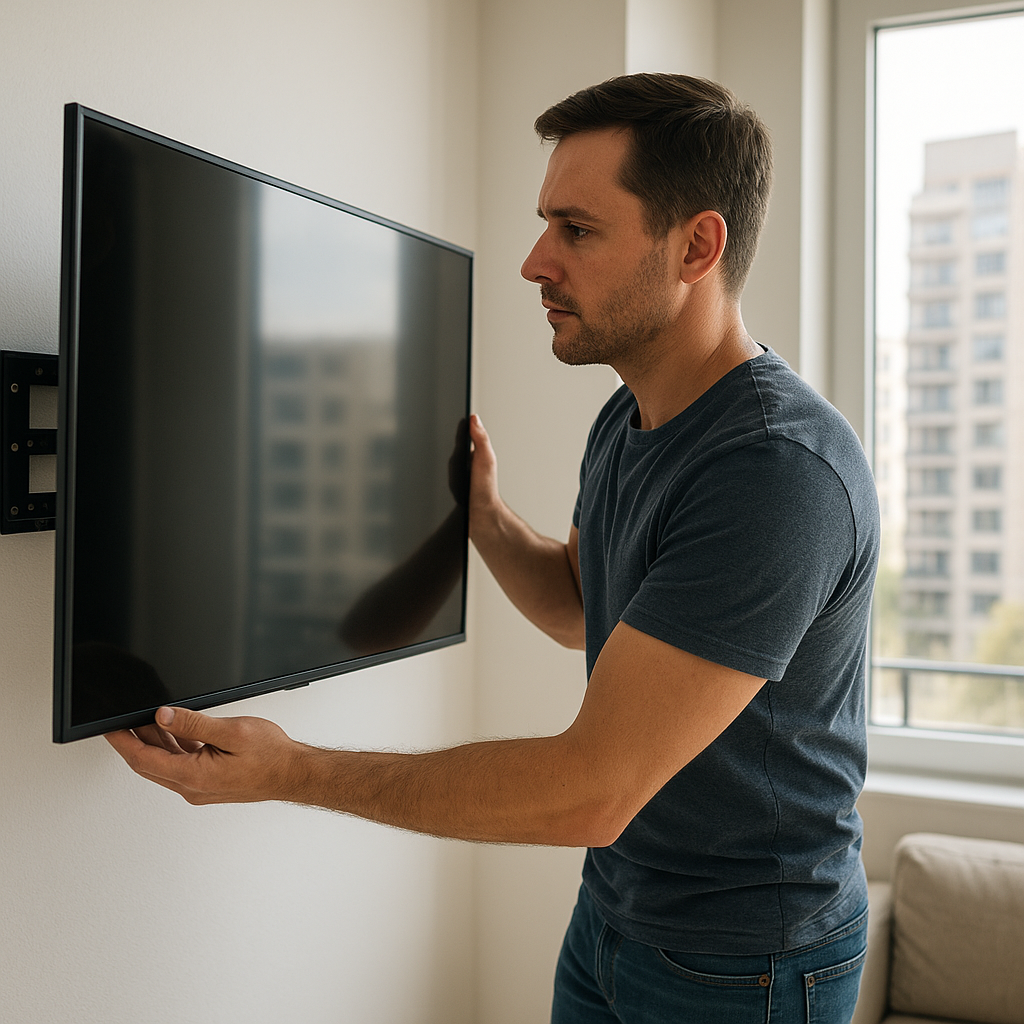
Renters constantly face the dilemma of screen placement. Floor stands consume valuable square footage, while entertainment consoles rarely align with optimal viewing angles. The modern rental market has shifted dramatically, offering flexible installation solutions that protect both the display and the interior finishes. This breakdown explains the practical steps, lease boundaries, and structural realities tenants need to navigate before touching the drywall.
Can You Mount TVs in Apartments? Understanding Lease Realities
The answer depends entirely on the property management framework. Most standard lease agreements contain specific clauses about wall modifications. Historically, landlords enforced strict no-drill policies due to high turnover costs and patching expenses. Today, the approach has evolved. Many property managers allow installations as long as tenants use approved hardware, follow weight limits, and agree to restore the wall upon move-out. The key lies in reading the fine print and requesting written approval before purchasing any brackets. Ignoring these stipulations can trigger security deposit deductions that easily exceed the cost of a basic mounting kit.
Do Apartments Let You Mount TVs? Navigating Property Rules
Approval processes vary by region and building type. Corporate-owned complexes often require a formal work order submitted through a maintenance portal. Independent landlords might allow it with a simple email confirmation. In both cases, tenants should document the existing wall condition with photographs and clarify who covers potential repairs. Some leases explicitly state that professional installation is mandatory, while others permit DIY setups using specific anchor types. The process is straightforward once the paperwork is sorted, though it definately requires patience.
Modern property management standards prioritize tenant customization, provided structural integrity remains intact and restoration protocols are clearly defined in the original lease.
Can I Wall Mount a TV in an Apartment? Safety and Terminology
Wall mounting requires understanding basic construction materials. Drywall alone cannot support medium to large screens. The structural backbone consists of wooden or metal studs spaced typically sixteen or twenty-four inches apart. VESA patterns dictate the mounting hole configuration on the back of the panel, while weight ratings determine bracket compatibility. Renters must match the television mass with appropriate toggle bolts, molly anchors, or direct stud screws. Misjudging load distribution leads to wall failure and damaged electronics.
| Fixed Bracket | Up to 55 inches | 60 pounds | High compatibility |
| Tilting Bracket | Up to 70 inches | 100 pounds | Moderate compatibility |
| Full-Motion Arm | Up to 85 inches | 150 pounds | Restricted compatibility |
Mount TV Apartment: Step-By-Step Execution Without Property Damage
Proper installation starts with locating the vertical framing members using an electronic stud finder. Marking drill points requires precise measurements aligned with the bracket template. Pre-drilling holes slightly smaller than the anchor diameter prevents drywall cracking from insertion pressure. Once hardware secures into place, the panel lifts onto the plate and locks with safety screws. Cable routing should follow baseboards or use adhesive channels that peel away cleanly during move-out. This method preserves the rental unit condition while delivering optimal viewing height.
- Verify stud spacing before purchasing brackets
- Use a bubble level to ensure horizontal alignment
- Secure power cords with removable adhesive clips
- Photograph finished setup for move-out documentation
Historical Shifts in Rental Wall Setup Practices
The trajectory of residential entertainment installation has transformed significantly over two decades. Heavy cathode-ray tube monitors required reinforced shelving and floor placement due to extreme weight and limited wall compatibility. The transition to flat-panel displays reduced mass by nearly eighty percent, making wall integration structurally feasible for rental spaces. Property managers initially resisted drilling because traditional patching techniques left visible scarring and required professional repainting. Modern drywall repair compounds, however, allow seamless restoration with minimal effort. Tenant demand for space optimization forced the industry toward flexible mounting standards, balancing customization with lease compliance. The process to acheive a clean, professional setup has become remarkably streamlined compared to the early two-thousand era.
Additional reference materials for regional building codes and tenant guidelines can be found through National Association of Realtors and Consumer Reports. Source: bbc.com