
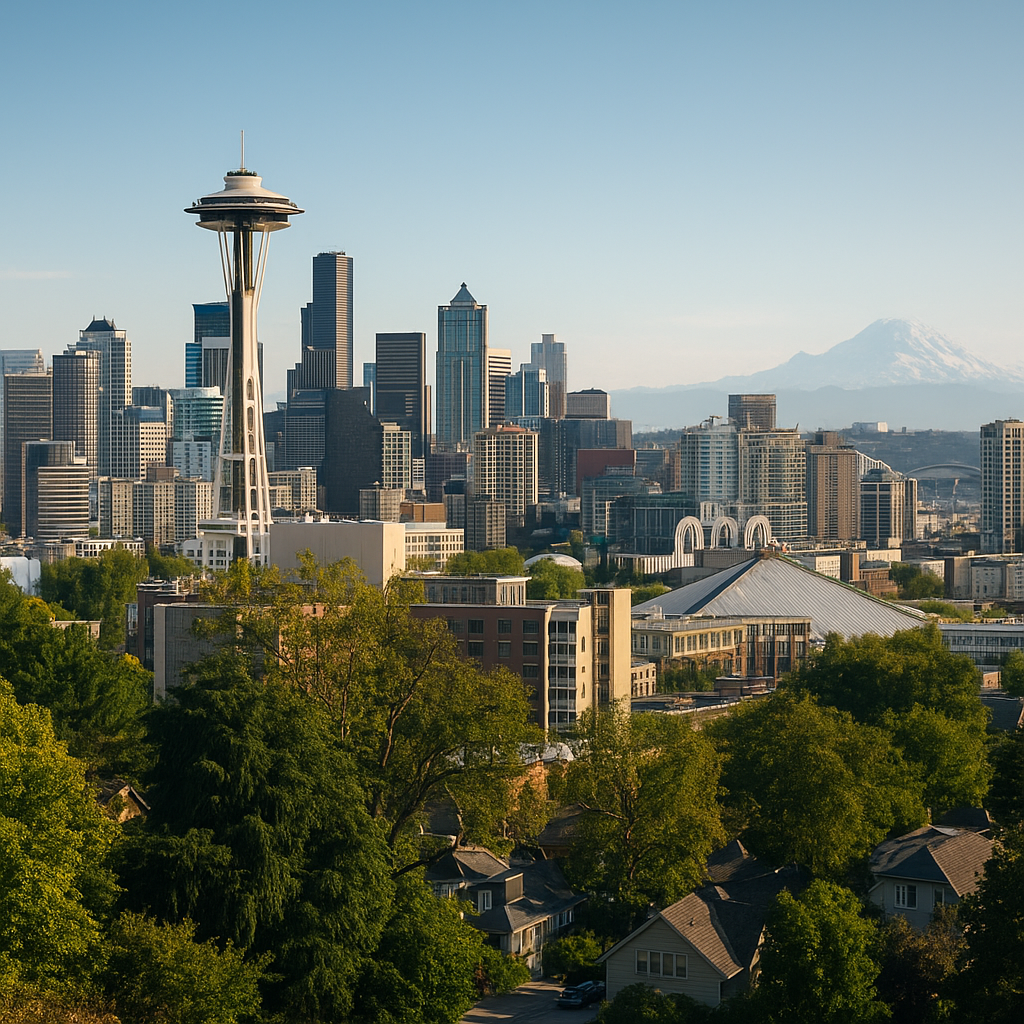
Securing a quick getaway to the Pacific Northwest often comes down to timing and logistics. The modern traveler rarely has weeks to burn, which makes a seattle weekend trip the most efficient way to absorb the region’s unique blend of maritime history, dense urban culture, and evergreen landscapes. Getting the most out of forty-eight hours requires a shift from traditional sightseeing to targeted urban navigation. The city’s microclimate and sprawling transit grid can easily derail an unprepared schedule, but understanding how the layout functions turns potential friction into smooth movement.
Why the Pacific Northwest Pulls Travelers Back
Urban exploration has evolved significantly over the last three decades. Back in the nineties, visitors treated the area as a stopover for national parks or industrial port tours. Today, the focus sits squarely on neighbourhood immersion, independent coffee roasters, and compact downtown corridors. This shift mirrors broader changes in global travel habits, where authenticity replaces checklist tourism. The local transit network expanded, ferry systems integrated with regional passes, and pedestrian zones replaced car-heavy corridors. People now expect walkable density mixed with reliable public transit, which fundamentally alters how a short visit gets structured. Weather patterns remain famously unpredictable, but modern forecasting tools and adaptive clothing have turned rain from a deterrent into a manageable backdrop for exploration.
Decoding an Itinerary Seattle Style
Mapping out a visit requires understanding the terminology that locals actually use. Phrases like micro-seasons, transit hubs, and hill gradients matter when plotting routes. The topography splits the urban core into steep inclines and waterfront flats, meaning distance on a map rarely matches walking time. A well-built itinerary seattle framework accounts for elevation, ferry schedules, and peak traffic windows. Complexity arises when trying to balance indoor cultural stops with outdoor viewpoints. Overpacking a schedule leads to burnout, while leaving gaps creates missed transit windows. The solution lies in clustering activities by geographic quadrant rather than trying to jump across the entire metro area.
Morning to Night: Structuring a Weekend in Seattle Itinerary
Breaking the schedule into time blocks prevents the common trap of aimless wandering. Morning hours work best for waterfront markets and quiet museum galleries before crowds arrive. Midday shifts toward hilltop districts where independent shops and food halls thrive. Evening blocks naturally align with live music venues and dimly lit jazz clubs tucked into converted warehouses. A functional weekend in seattle itinerary leans heavily on rhythm rather than rigid timestamps. Flexibility matters because spontaneous street performances or pop-up food trucks often outshine pre-booked reservations. The real trick involves booking one anchor activity per day and letting the surrounding hours breathe. Urban pacing beats forced marching every single time.
How to Plan a Trip to Seattle Without the Headache
Logistics dictate success. Understanding how to plan a trip to seattle starts with transit selection, accommodation zoning, and weather prep. The ORCA card system covers buses, light rail, and streetcars, removing the need for rental vehicles in the core. Staying within three miles of downtown or Capitol Hill cuts commute friction dramatically. Packing layers remains non-negotiable due to rapid temperature shifts. Booking ferry tickets ahead of weekend surges definately prevents wasted hours at terminals. Budget allocation should prioritize transit passes and neighbourhood dining over expensive tourist traps. Local guides consistently point out that skipping the rental car saves both money and stress.
| Travel Element | Traditional Approach | Modern Optimization |
|---|---|---|
| Transportation | Rental cars and parking fees | Light rail, ORCA passes, bike shares |
| Accommodation | Hotel chains near airports | Boutique stays in walkable districts |
| Scheduling | Hour-by-hour rigid blocks | Quadrant clustering with anchor points |
| Weather Prep | Heavy umbrellas and indoor retreats | Waterproof layers and flexible routing |
Building a Realistic Seattle Itinerary
A solid seattle itinerary respects human energy limits and geographic reality. The city’s historical transformation from a timber and maritime hub to a tech-adjacent cultural center means infrastructure supports compact exploration. Ferry terminals, light rail extensions, and pedestrian bridges now link previously isolated pockets. Visitors who adapt to this rhythm experience the urban fabric without friction. Prioritizing transit over driving, clustering activities by elevation, and leaving room for spontaneous detours creates a smoother cadence. The goal isn’t to see everything, but to absorb the working city vibe that balances rain-soaked streets with vibrant indoor culture.
- Secure transit passes before arrival to skip terminal queues
- Cluster activities within two-mile radius zones to minimize backtracking
- Book one anchor experience daily and leave adjacent hours open
- Pack waterproof footwear rather than relying on bulky umbrellas
The best way to navigate a coastal metro area isn’t through rigid schedules, but through geographic clustering and adaptive pacing. Regional Transit & Urban Planning Archives, 2025
Additional route mapping and transit schedules can be verified at Visit Seattle. Real-time ferry and light rail updates remain available through King County Metro. Historical transit evolution data archived at Travel History Archives.