
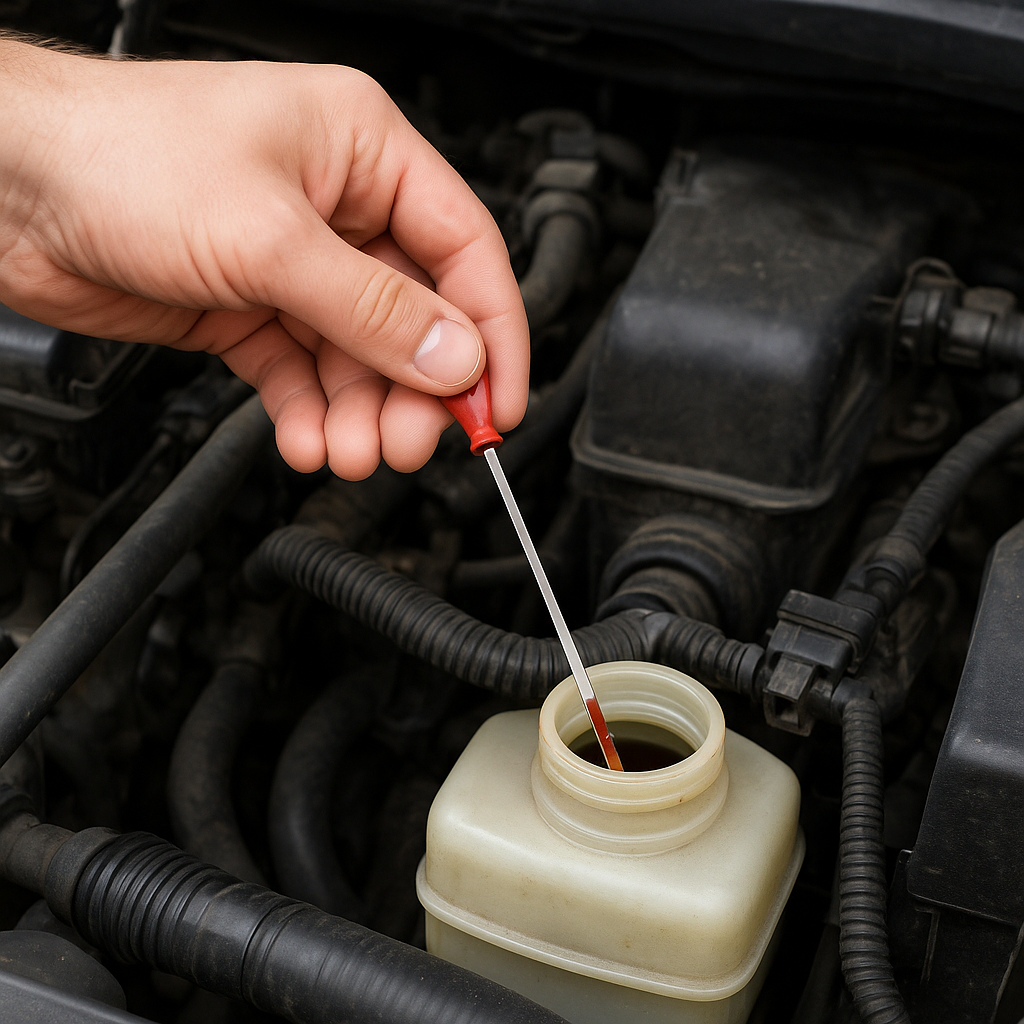
Automatic gearboxes depend on precise hydraulic pressure to shift smoothly, cool internal components, and prevent metal-on-metal friction. When fluid levels drop, the entire system struggles. Many drivers overlook routine inspections until hesitation or grinding forces an expensive shop visit. Understanding basic lubrication management saves cash and prevents catastrophic mechanical failure.
Step-by-Step: How to Check If Your Transmission Fluid Is Low
Most vehicles built before 2018 include an accessible dipstick near the firewall. The powertrain must reach normal operating temperature for an accurate reading. Pull the handle, wipe the metal clean with a rag, and slide it back in fully. Extract it once more to view the level between the marked indicators. The liquid should appear bright red and smell slightly sweet. Dark brown tones or a burnt odor signal oxidation and internal wear. Always reference the owner manual before adding aftermarket additives that might void warranties.
Advanced Methods: How to Check If Transmission Fluid Is Low
Contemporary engineering favors sealed units designed to last the vehicle lifespan. Manufacturers removed external dipsticks to streamline underbody aerodynamics and reduce user error. Verifying levels on these models requires diagnostic scanners that monitor fluid temperature while the engine idles. Technicians remove a sealed plug to confirm flow at specific thermal thresholds. This shift demands professional tools, though aftermarket access kits now exist for hobbyists who prefer hands-on work. The process eliminates guesswork but removes casual maintenance options.
Risks to Consider If My Transmission Fluid Is Low
Running with insufficient lubrication causes rapid clutch pack degradation. Hydraulic pressure drops, leading to delayed engagement and erratic shifting patterns. Continued operation with dry seals triggers overheating, which warps valve bodies and ruins torque converters. If a leak is suspected, park safely and allow the system to cool before inspecting the pan gasket or cooler lines. Towing remains the smartest choice when levels fall below the minimum marker. Ignoring the issue almost guarantees a full rebuild later on.
Decoding Transmission Fluid Low Signs
Hydraulic pressure loss often appears before visible puddles form. The earliest indicators usually surface during routine commutes. Drivers notice sluggish acceleration, unexpected shudders, or whining noises at highway speeds. Overheating becomes the primary consequence, frequently triggering dashboard warnings. Modern sensors catch temperature spikes, but older models rely on driver awareness. Recognizing these patterns early separates a simple top-up from a costly repair.
- Delayed gear engagement after shifting from park
- Unusual slipping during moderate acceleration
- Red or brown stains beneath the chassis
- Erratic shifting cycles in stop-and-go traffic
| Observation | Immediate Action | Typical Expense |
|---|---|---|
| Level slightly below minimum | Top up with manufacturer-spec oil | $15 to $40 |
| Dark fluid with metallic flakes | Replace filter and perform flush | $220 to $480 |
| Severe overheating alert | Professional diagnostic and seal replacement | $350 to $750 |
Routine fluid inspection extends gearbox longevity by decades. The difference between a quick refill and a complete teardown usually comes down to catching a minor seepage before internal clearances wear out.
Historical automotive designs relied on manual shifters and heavy grease, demanding minimal fluid intervention. The 1980s transition to computer-controlled hydraulics transformed upkeep routines, requiring stricter viscosity standards. Today, synthetic formulations resist thermal breakdown far longer than petroleum predecessors, reducing top-off frequency. Current 2026 automotive standards in the USA and EU emphasize extended service intervals and eco-friendly lubricant compositions. Despite modern durability, neglecting hydraulic integrity still carries heavy mechanical penalties. For verified maintenance schedules, review official documentation at Edmunds Maintenance Guide and regional safety protocols from NHTSA. Additional historical context on automotive lubrication is archived at Source: bbc.com.